Five Years After Jan. 6: What Did America Actually Learn?
- Capitol attack facts remain, but language used to describe it has softened, minimizing the violence.
- Over 100 police officers injured, but their service is increasingly dismissed by political leaders.
- DOJ under Trump has taken steps to erase accountability, including deleting criminal records and hiring rioter as advisor.
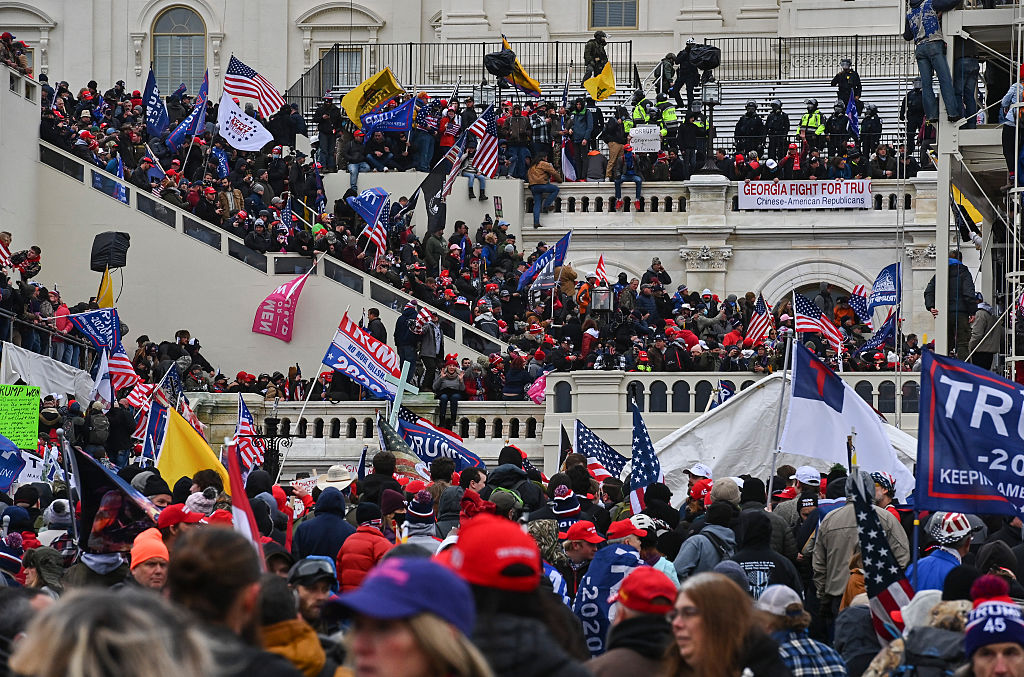
Jan. 6, 2026, marks five years since a violent mob stormed the United States Capitol in 2021, an effort to overturn a presidential election. That day left multiple people dead, injured scores of law enforcement officers, and shattered a long-held assumption that American democracy was immune to the kind of political violence seen elsewhere in the world.
Five years later, the pain of that day has not faded. What is more troubling is that many of the conditions that made Jan. 6 possible have not meaningfully changed, and in some cases, they have worsened.
What Has Changed
Time has passed, but time alone is not the same as progress. The most visible change since Jan. 6 is not reform or accountability, but distance. The physical damage to the Capitol was repaired. Congressional proceedings resumed. Life, on the surface, moved on.
Yet the passage of time has also allowed memory to be reshaped. The attack that once dominated headlines is now increasingly described by some political leaders as a misunderstanding, a protest gone too far, or even an act of patriotism. The language used to describe Jan. 6 has softened in official spaces, even as the underlying facts remain unchanged.
Donald Trump, now serving a second term as president, has used the authority of the executive branch to aggressively reinterpret the events of Jan. 6. He has issued sweeping pardons to over 1,500 people convicted or charged in connection with the attack, framing them as victims who were “assaulted” by the government rather than perpetrators of violence against it, acccording to audio obtained by NPR.
That reframing marks a dramatic shift from the immediate aftermath of the attack, when there was broad, bipartisan acknowledgment that what occurred was an assault on democratic institutions.
What Hasn’t Changed
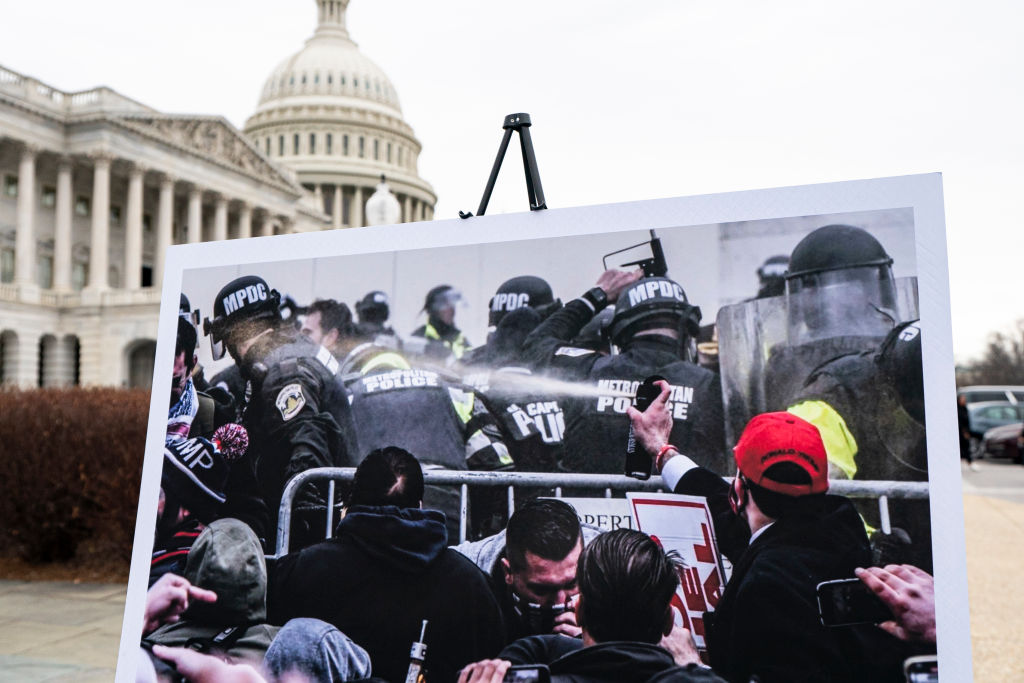
What has not changed is the reality of what happened on Jan. 6, 2021. Despite repeated claims from the right that the event was merely a rally that spiraled out of control, court records, videos, and testimony tell a different story. Evidence presented in prosecutions showed that some participants planned for violence in advance, brought weapons, and spoke openly about revolution and civil war.
One rioter, Russell Taylor, recorded a video for a friend describing a “loadout bag” filled with carbon-fiber knuckles, hatchets, and what he called “a little bit of excitement,” according to a video obtained by NPR investigations correspondent Tom Dreisbach. Taylor later pleaded guilty to conspiracy to obstruct Congress. Evidence shows that other rioters arrived with firearms. On the day itself, chants and threats targeted elected officials, including calls to hang then-Vice President Mike Pence and Speaker of the House Nancy Pelosi. Several offenders claimed they were at “war” with the government.
None of those facts has changed. The intent, preparation, and violence documented in court exhibits remain part of the public record, even as efforts continue to minimize or erase them.
The Real Heroes were Never Honored
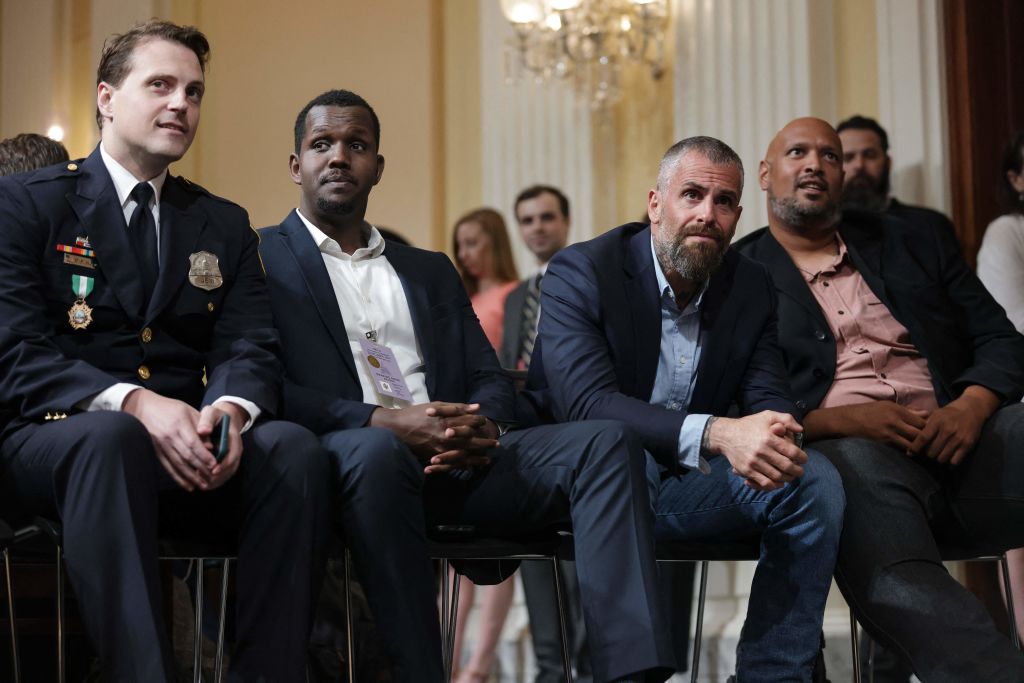
What also has not changed is the impact on law enforcement officers who defended the Capitol. Many officers continue to deal with physical injuries, trauma, and the long-term consequences of that day. Yet their service is increasingly ignored — or outright dismissed — by political leaders who once praised them. More than 100 law enforcement officials were injured that dreadful day, AP News noted.
As the fifth anniversary approaches, the official plaque honoring the police officers who defended the Capitol is missing. Though required by law to be displayed, it is not visible anywhere in the building, ABC News reported. Its exact location is unknown, believed to be in storage.
House Speaker Mike Johnson has not formally unveiled the plaque, and the Justice Department is seeking to dismiss a lawsuit filed by officers demanding that it be displayed.
In response, roughly 100 members of Congress, mostly Democrats, have created makeshift replicas of the plaque and posted them outside their office doors. The text reads, “On behalf of a grateful Congress, this plaque honors the extraordinary individuals who bravely protected and defended this symbol of democracy on Jan. 6, 2021. Their heroism will never be forgotten.”
Why has it come to this? In a city filled with monuments to American history, the absence of this plaque is not accidental; it’s symbolic.
The Disappearance of Accountability
Perhaps the most consequential change since Jan. 6 is the near-total collapse of accountability. The Department of Justice, now under the Trump administration, has taken extraordinary steps that go beyond policy disagreements and enter the realm of historical erasure. A database detailing criminal charges and convictions related to Jan. 6 has been deleted.
Even more striking, the Justice Department hired Jared Wise, a former Jan. 6 defendant, to be a senior advisor, an individual who had publicly called police officers “Nazis” and shouted that rioters should “kill” the cops. These actions send a clear message: accountability for Jan. 6 is no longer a priority of the federal government.
Five years later, the question is no longer whether Jan. 6 was an attack on democracy. The evidence answered that long ago. The real question is whether the country is willing to defend the truth about it, or whether political convenience will continue to override memory, justice, and accountability.
So far, the answer is deeply unsettling.
MORE:
DOJ Indicts ‘Peckerwoods’ White Supremacist Gang
Five Years After Jan. 6: What Did America Actually Learn? was originally published on newsone.com