'Being Dope: Hip Hop & Theory Through Mixtape Memoir'
My Book: ‘Being Dope: Hip Hop & Theory Through Mixtape Memoir’ By Dr. A.D. Carson
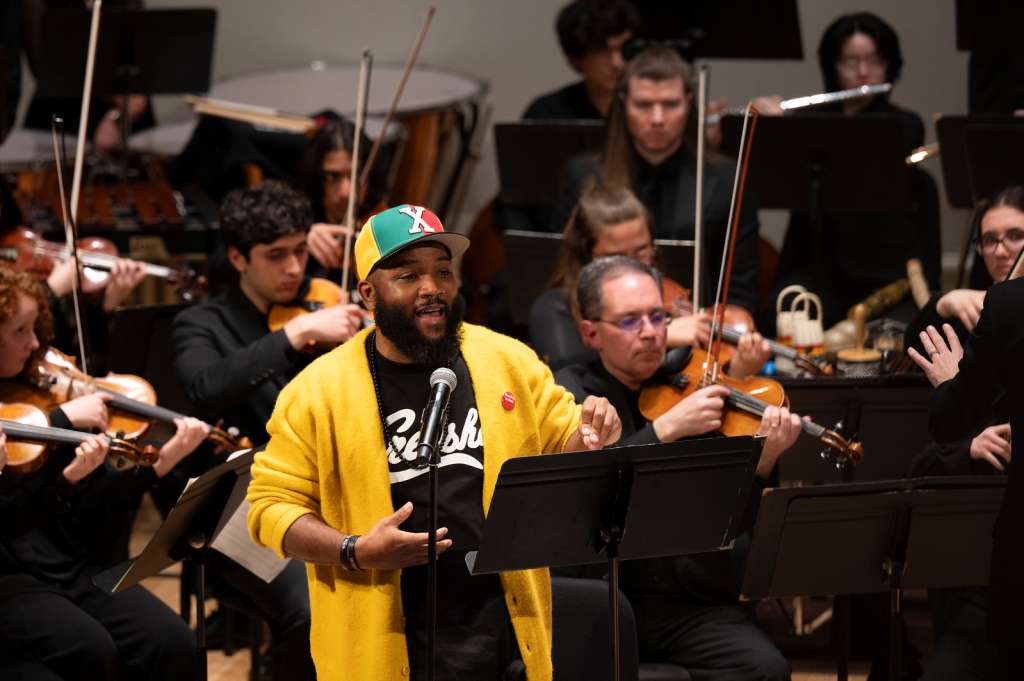
By now, the phrase “Hip-Hop changed my life” is a well-worn cliché, but that won’t stop me from saying it.
I’m from the small Central Illinois town of Decatur. My hometown is one of the sites where the war on drugs and many of its battles took place. In 2018, Decatur was listed at number seven in USA Today’s “15 worst cities for Black Americans” and ranked third nationally in their 2019 “America’s fastest shrinking cities” poll.
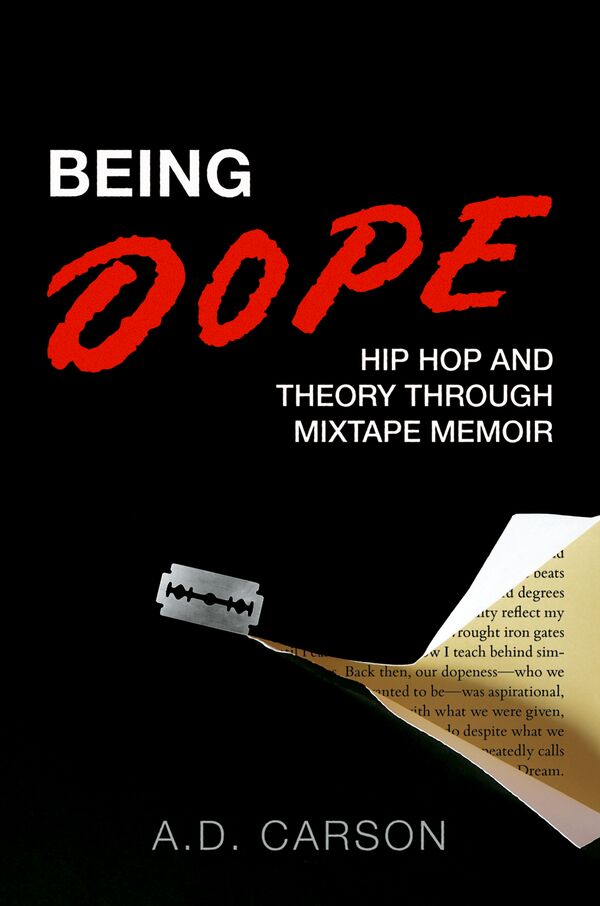
My book, Being Dope: Hip Hop & Theory through Mixtape Memoir, published in December 2025 by Oxford University Press, details what it means to be a survivor of America’s war on drugs.
The state of Illinois admitted the role it played in that war when it legalized recreational marijauna sales in 2020. The legislation included “provisions to give dispensary preference and extra funding to areas that disproportionately bore the impact of the war on drugs — those with higher-than-average rates of marijuana-related arrests, convictions, and prison sentences.”
Growing up in Illinois during the time Hip-Hop was becoming a global phenomenon, my friends and family bore the impact of the war in many different ways. In 1993, the same year Menace II Society was released, one of my early role-models, my cousin Tony, was taken by the same kind of gun violence depicted in that movie. He is one of the reasons I love Hip-Hop and started writing raps.
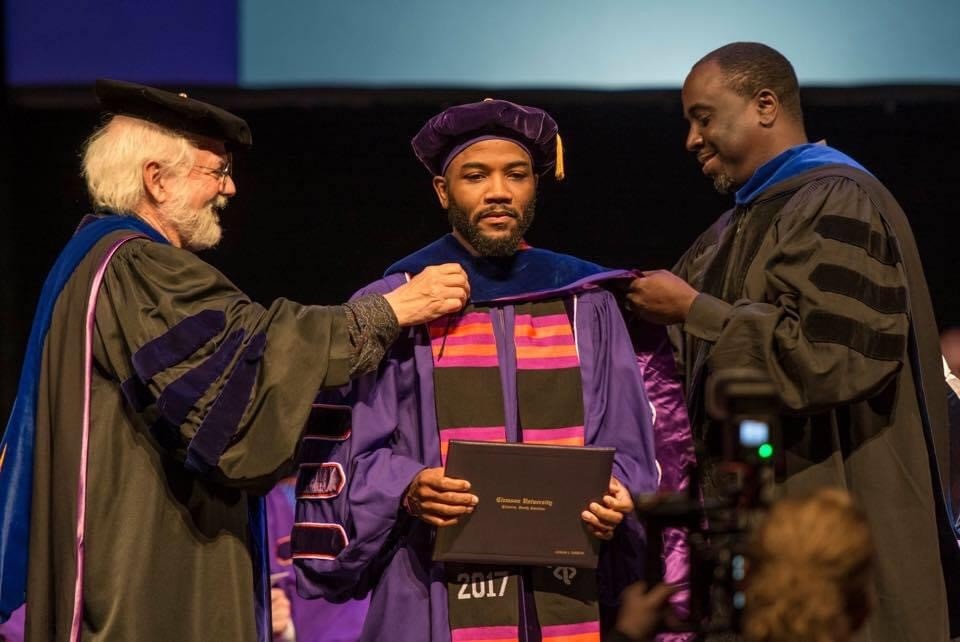
Most of the time I was in school earning a B.A., an M.A., and a Ph.D., Jay, one of my best friends, was in prison. Jay was one of the reasons I finished school. He helped pay my tuition and even gave me the money for the initiation fees to join a fraternity. The same weekend I became a member of the frat, his house was targeted in a drug raid. Though we are separated by distance, our lives have remained products of interconnected systems. Clemson University, where I earned my Ph.D., was built by imprisoned “slaves of the state” in South Carolina. The school where I work currently, University of Virginia, benefits from the labor performed in prisons like the one where Jay was held.
Hip-Hop changed the trajectory of my life. My doctoral dissertation was a 34-track rap album titled Owning My Masters: The Rhetorics of Rhymes & Revolutions. With the album, I argued that “dope” could be a methodology:
“If I’m striving to be dope, or if what we do is dope – and by ‘we,’ I mean rappers – what happens is it gets cut a whole lot of times. We have hip hop and sociology or hip hop and literature, hip hop and whatever else it is that we cut it with. This world of academia, you know, or however we want to describe it, is that world not ready for that dope in its, like, uncut form? Can the scholars not just create or speak through hip hop as opposed to having it, like, mixed with something else in order for it to be acceptable?”
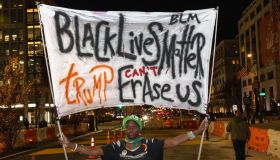
I applied that argument on campus between 2013-2017 while watching the worldwide documentation of injustices that provided constant viral reminders of how much it matters that we tell our own stories and document our histories ourselves. Hashtagged names were regularly added to the already-too-long list of people we felt we collectively lost when they were killed. Declarations that “Black lives matter” were met with offensive attempts to correct the statement, assuming that centering Black lives was inherently discriminatory.
When I was arrested with other students at a campus sit-in in 2016, it was because we were embodying that argument about whose stories get told and who gets to do the telling. Being Dope documents parts of that story — the unrest, the arrests, and the viral rap album dissertation — from my perspective while I was studying about it and also living it.
“Dope” is still my methodology. Defining “dope” in its current usage, the New York Times states, “its pop-cultural usage as a synonym for “outstanding” persists into the present day.”
From its start, Hip-Hop has taken language used against us as a shield or insulation from danger. Back in Decatur, we grew up with people referring to us with the word “dope” to cast us as enemies in the war on drugs. Describing us as “dope dealers” and “dope fiends” were ways to make the world fear us. We made that language into art.
That art earned me a doctorate.
In 2017, I was appointed as a professor of Hip-Hop at the University of Virginia. I accepted that job and moved to Charlottesville that summer, which was marked by racial unrest that culminated in the deadly “Unite the Right” rally that garnered worldwide attention. Using Hip-Hop, I earned tenure with a promotion to associate professor in 2023, the year that was widely observed as Hip-Hop’s 50th anniversary. My portfolio contained the five albums I wrote between 2017-2023. Being Dope includes the lyrics from those albums alongside cultural criticism about Hip-Hop, education, academia, race, technology, gender, grief, addiction and recovery through essays, interviews, and reviews. Versions of stories and music in the book previously appeared in Rolling Stone, SPIN, Los Angeles Times, NPR’s Code Switch, and Poetry, as well as academic venues that include Kairos and Journal of Popular Music Studies.
Being Dope challenges commonly held notions about rap and rappers, and it demonstrates how much genre matters. Being Dope documents my own survival story along with stories from the past and present war on drugs. It documents the stories of some of my loved ones who have perished, and it gives voice to others, like Jay, who wrote the introduction to the book from prison. Above all, Being Dope demonstrates the ways Hip-Hop literally changed my life and continues to guide me. My hope is that this book is a way I can pay that forward.
My Book: ‘Being Dope: Hip Hop & Theory Through Mixtape Memoir’ By Dr. A.D. Carson was originally published on hiphopwired.com