Altadena Fires 1 Year Later: Recovery Is Still Uneven
- Rebuilding is complicated by permits, insurance claims, and high costs, leaving many displaced or waiting to rebuild.
- Environmental hazards like toxic ash pose long-term health risks, prompting community efforts to test and map contamination.
- Despite setbacks, the community's resilience shines through, with high voter turnout and local businesses committed to supporting residents.
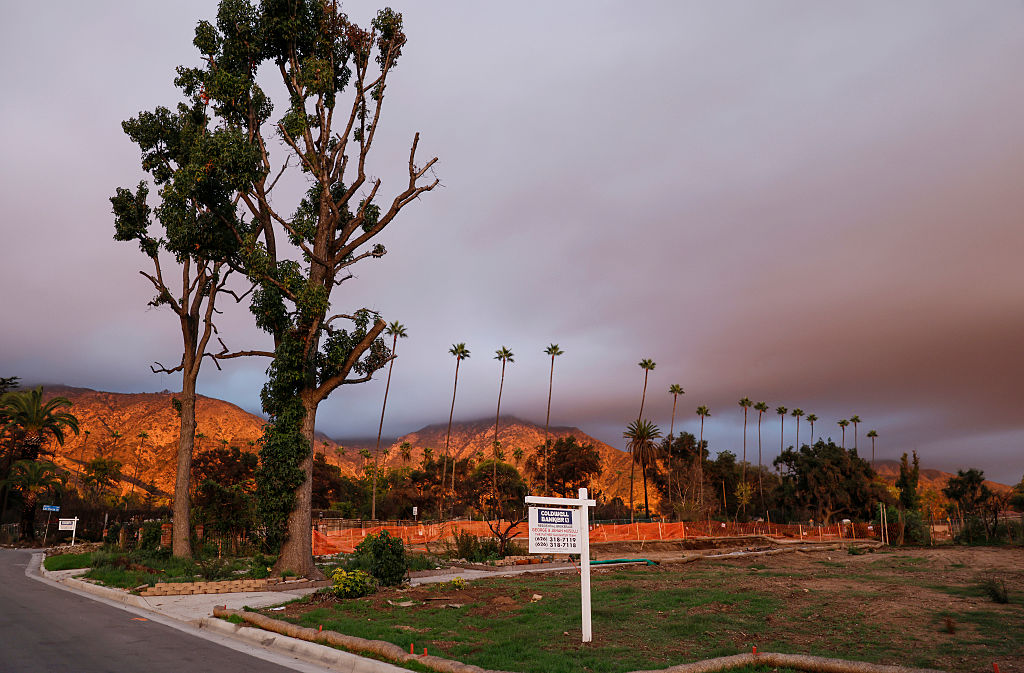
Nearly one year after the deadly Eaton Fire tore through the community of Altadena on Jan. 7, 2024, residents are still grappling with the long and uneven road to recovery. The fire killed 19 people and damaged more than 9,000 structures, many of them homes belonging to longtime residents who are only now beginning to rebuild what was lost.
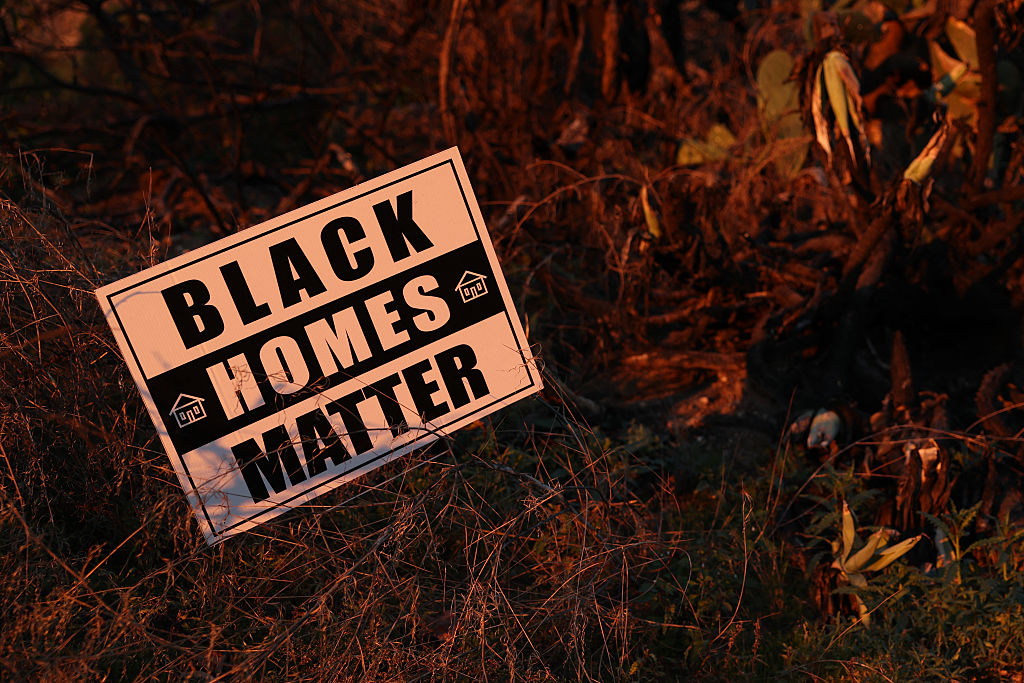
According to the NAACP, 61% of Black-owned homes were located within the Eaton Fire perimeter of the historically Black community. While some residents have been able to return, thousands remain displaced or are still waiting to rebuild.

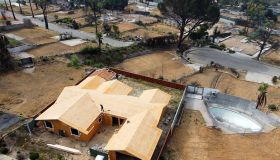

Progress has been slow. CBS News reports that construction has begun on roughly 500 of the more than 16,000 structures destroyed, with only a small number of homes fully rebuilt. Data from LA County Recovers shows that as of Jan. 5, just 1,125 building permits had been issued, and only 535 homes were under construction.
Residents say rebuilding has been complicated by a maze of permits, insurance claims, and soaring construction costs. Those challenges have been compounded by widespread insurance issues. Insurers have pulled out of the area or delayed payments, leaving an estimated 70% of survivors facing denials or long waits for payouts.
Despite those obstacles, some families are determined to stay.
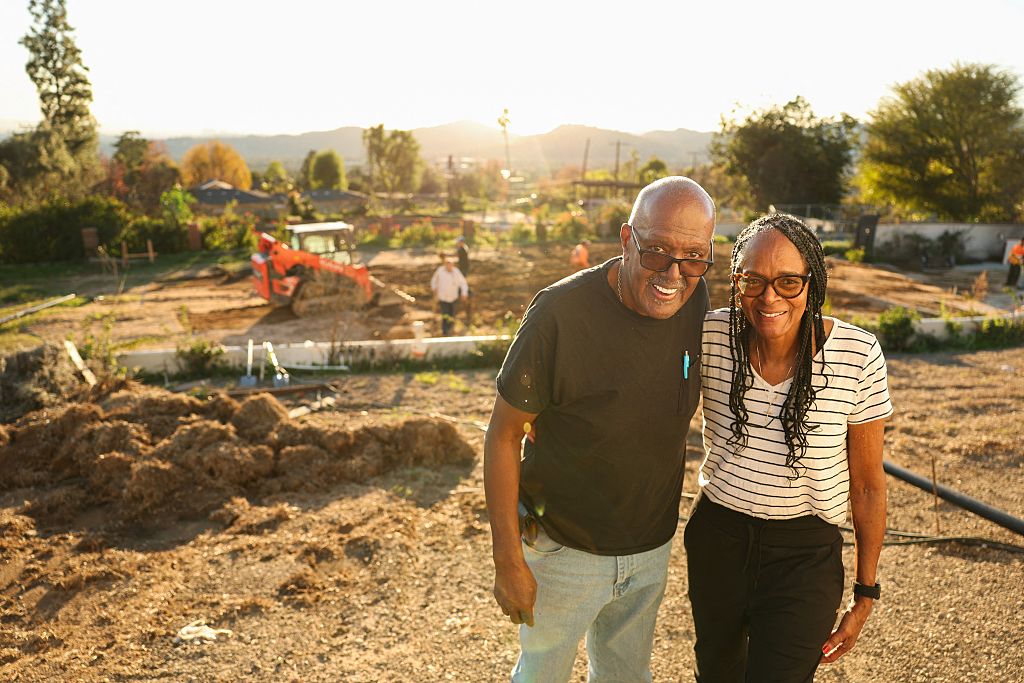
Members of the Wood family, who have lived in Altadena for more than 40 years, are rebuilding despite inadequate insurance coverage. In an interview with ABC News published Jan. 14, 2025, the family said they remain committed to the community.
“Having insurance is a good thing, but it’s never enough money to cover actually rebuilding,” said Jenine Wood.
Another family member, Ken Wood Sr., said he initially felt reassured knowing he had insurance, but soon discovered how difficult the process would be.
“’Don’t worry, it burned down, we got insurance,’” he said of his initial reaction. “But then, when it happened, what it is you have to see this person and that person and that person.”
For some residents, the complexity of rebuilding nearly drove them away. Karen Martinez said she seriously considered selling her lot and leaving Altadena altogether.
“There were some moments in the very beginning where I was thinking about just selling the lot and moving on,” Martinez told CBS News Jan. 4. “I finally thought, ‘Okay, I gotta do this. I have to educate all my neighbors on how to rebuild, and how to build back better.’”
Martinez’s home went into construction in October, and she is making decisions aimed at preventing future losses, including using fire-resistant materials instead of wood.
“I know there are going to be fires here,” she said. “To me, if I can live in a home that’s not going to burn, it’s paradise!”
Hope was also at the forefront for Ellaird Bailey and his wife, Charlotte, who finally began rebuilding their home near East Loma Alta Drive and North Marengo Avenue in Altadena on Dec. 29, 2025.
Environmental hazards from the fire remain a threat.
Even as rebuilding inches forward, residents face another concern: lingering environmental hazards left behind by the fire. According to a report from ABC News, air quality in Altadena remains understudied, and scientists are still uncertain about the long-term health effects of exposure to massive urban fires like the Eaton Fires.
Ash left behind contains what experts describe as a toxic mixture of burned cars, electronics, paint, furniture, and other household materials, ABC News noted. It may include pesticides, asbestos, plastics, lead, and other heavy metals. Some chemicals released by fires are known to be linked to heart disease and lung problems, while exposure to minerals such as magnetite has been associated with Alzheimer’s disease.
In response, community members have organized to demand greater transparency and testing. Eaton Fire Residents United, a coalition formed after the fire, is urging residents to voluntarily submit home hygiene testing reports. The group plans to compile the data into a publicly accessible neighborhood map showing levels of contaminants such as ash, soot, smoke, lead, and asbestos.
“This is a ground-up citizen science project where we leverage the information in our community to increase knowledge about potential contaminants in the community, which may help guide government policy,” the group said in a statement.
Community remains strong.
According to a report from LAist, Geoff Cathcart, a barber at Lawrence and Colbert — a Black-owned shop that has served Altadena for 46 years — continues to show up for the residents who remain, even as business has declined sharply. Most of his clientele, many of them elders in Altadena’s close-knit Black community, lost their homes in the fire.
Cathcart lost his rental home and now commutes from Glendora.
“ I used to walk to my shop … didn’t have to worry about gas or commute or traffic or any of those things,” Cathcart told LAist in a Jan. 5 interview. “And now it’s just different, just adjusting. But I still want to show up and be here for the community. This is where I made my roots.”
He hopes to return permanently, but rising rents have made that impossible for now. Three homes owned by his extended family were destroyed in the fire, and many former clients have relocated to Glendale, Pasadena, Lancaster, or out of state. Half of the salon’s stylists have left due to a lack of business, but Cathcart is staying put. He has applied for additional jobs to supplement his income.
“When you come up to Altadena, there’s not a lot here at the moment, and so it’s very depressing,” Cathcart said. “I’ve had clients who don’t want to come back until things are built back. It’s heartbreaking to see.”
Still, he remains hopeful.
“It’s slow, definitely slow,” Cathcart said of progress in the neighborhood. “But I do see progress. I do have hope.” He says conversations with clients now revolve around survival and recovery.
“Every conversation is, ‘Where are you at in the rebuild?’ and, ‘Do you need help?’ ‘What stage are you at?’” Cathcart said. “Every conversation is really a psychological and emotional evaluation of how everyone is doing.”
Signs of resilience have emerged in other ways. In November, Altadena held its town council election, with voting taking place at library branches, a grocery store, and a local pizza shop. A separate report from LAist noted that nearly 900 people cast ballots, almost double the typical turnout and the highest participation in the town’s 50-year history.
“The majority of Altadena is displaced,” said Morgan Whirledge, a newly elected town councilmember whose home was destroyed in the fire. “That still, almost double the amount of people [who] came and voted was a testament to how much Altadenans want to return home.”
For a community marked by loss, the vote served as a reminder that Altadena’s spirit — though tested — remains intact.
SEE MORE:
Real Estate Developers Are Buying Up Altadena’s Burned Lots
New Podcast Spotlights Altadena’s Path To Recovery After The Wildfires
Altadena Fires 1 Year Later: Recovery Is Still Uneven was originally published on newsone.com