How Black History Month Changed America
- Black History Month pushed institutions to recognize overlooked Black leaders and achievements.
- The observance of Black History Month led to curriculum changes and expanded understanding of American history.

Black History Month has become a cornerstone of American cultural life, but its impact goes far beyond a single month on the calendar. What began as a corrective to historical erasure has grown into a national moment of reflection, education, and progress, reshaping how America understands itself and Black people as a whole.
From uplifting hidden figures like Katherine Johnson to examining our narratives and bringing change to the center stage, here’s how Black History Month has changed America for the better.
Restoring History That Was Left Out
For much of U.S. history, the contributions of Black Americans were minimized, distorted, or ignored altogether in schools, media, and public memory. Black History Month helped change that. By intentionally spotlighting Black leaders, thinkers, artists, scientists, and everyday changemakers, the observance pushed American institutions to reckon with incomplete narratives and highlight our achievements. Figures like Harriet Tubman, Carter G. Woodson, Bessie Coleman, and countless others gained long-overdue recognition, reshaping textbooks, classrooms, and cultural conversations.
This restoration of history didn’t just benefit Black Americans; it gave the country a fuller, more honest understanding of its own past.
Transforming Education Nationwide and The Narrative Of Black People
One of the most lasting impacts of Black History Month has been its influence on education. Schools that once glossed over slavery, Reconstruction, and the Civil Rights Movement began engaging more deeply with these topics. Over time, Black history stopped being treated as a side note and became essential to understanding American democracy, technology, labor movements, music, politics, and innovation. Today, discussions sparked during Black History Month often lead to year-round curriculum changes, teacher training, and expanded reading lists.
Without Black History Month, we may have never known about the historic contributions of Black figures like Katherine Johnson, the NASA mathematician whose calculations were critical to America’s first spaceflights, including John Glenn’s orbital mission and the moon landing. We also may have missed the incredible story of Marie Van Brittan Brown, who invented the first home security system in 1966, the foundation of modern smart-home surveillance technology, that has gone on to keep millions of people around the world safe.
Shaping American Culture and Media
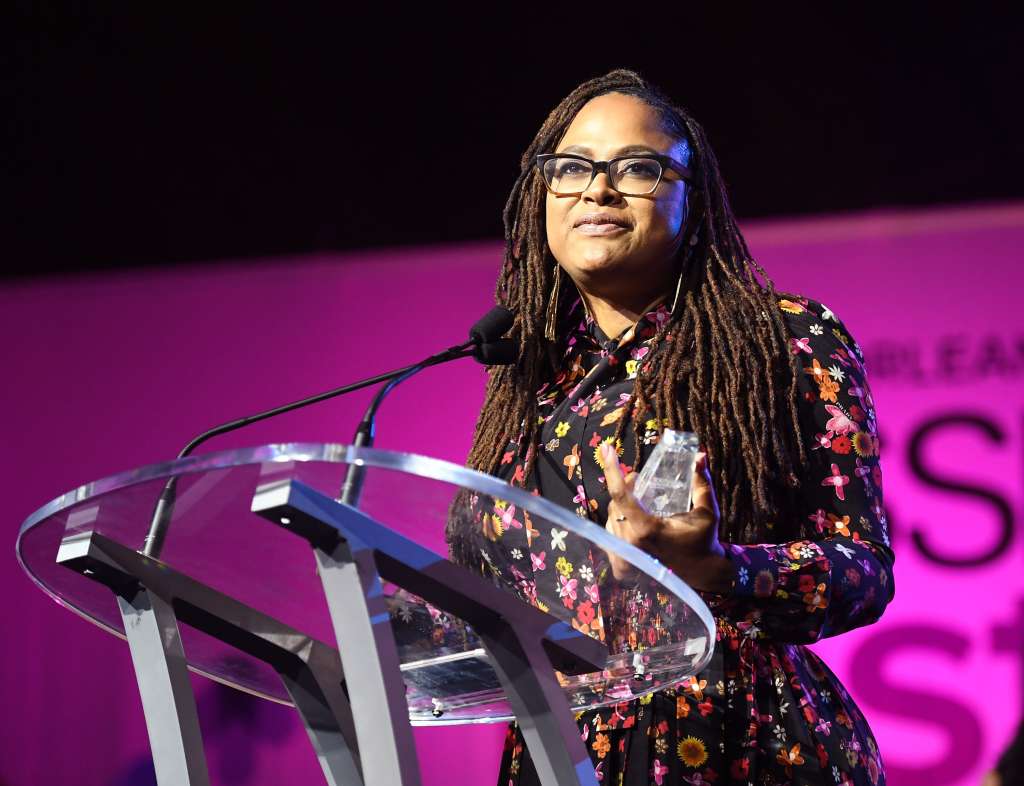
Black History Month has also helped normalize the celebration of Black excellence in mainstream culture. The film, television, publishing, fashion, and music industries increasingly recognize Black creators not as niche voices but as central to American creativity.
RELATED: Black History Month: The Tension Between Celebration Vs. Performance
It gave Black filmmakers like Spike Lee the opportunity to shine a light on the Black experience. His films Do the Right Thing and BlacKkKlansman, for example, confront race, politics, and Black identity head-on. These themes are central to the work of the inimitable Ava DuVernay. Known for Selma, 13th, and When They See Us, she has crafted films and documentaries that examine Black civil rights and social justice, while tirelessly expanding representation both on-screen and behind the camera. Through her company ARRAY, DuVernay also creates opportunities for underrepresented creators, reshaping the industry from the inside out, so that creators can continue to push our stories to bigger networks and tell them honestly.
Black History Month has helped diversify storytelling and challenge stereotypes that once dominated popular media. America’s cultural landscape became more dynamic, honest, and representative as a result.
Encouraging National Reflection and Accountability
Black History Month created space for collective reflection, especially around America’s legacy of racism and inequality. While uncomfortable at times, these conversations pushed institutions, corporations, and governments to acknowledge past harms and consider how they show up in the present.
From museum exhibits to workplace diversity initiatives, the month has encouraged dialogue about justice, equity, and belonging. While progress is ongoing, Black History Month helped normalize these conversations rather than silence them, uplifting Black people to speak openly for change and celebrate our contributions.
Acknowledging history became a step toward accountability and growth.
Empowering Generations of Black Americans
Perhaps most importantly, Black History Month has played a powerful role in affirming identity and pride within Black communities. Seeing stories of resilience, brilliance, and leadership reflected publicly has helped generations of Black Americans understand their worth and place in the nation’s story.
That visibility fuels confidence, ambition, and connection, especially for young people who may not otherwise see themselves represented as innovators or leaders.
Representation didn’t just inspire individuals; it strengthened communities.
A Lasting Impact Beyond February
Black History Month reminds America that Black history is American history, and that understanding it fully makes the country stronger, wiser, and more united.
SEE MORE:
Why Black History Month Matters At 100 More Than Ever
Black History Books To Read Right Now
How Black History Month Changed America was originally published on newsone.com